Labour MP Emily Thornberry says Cally has a great community spirit
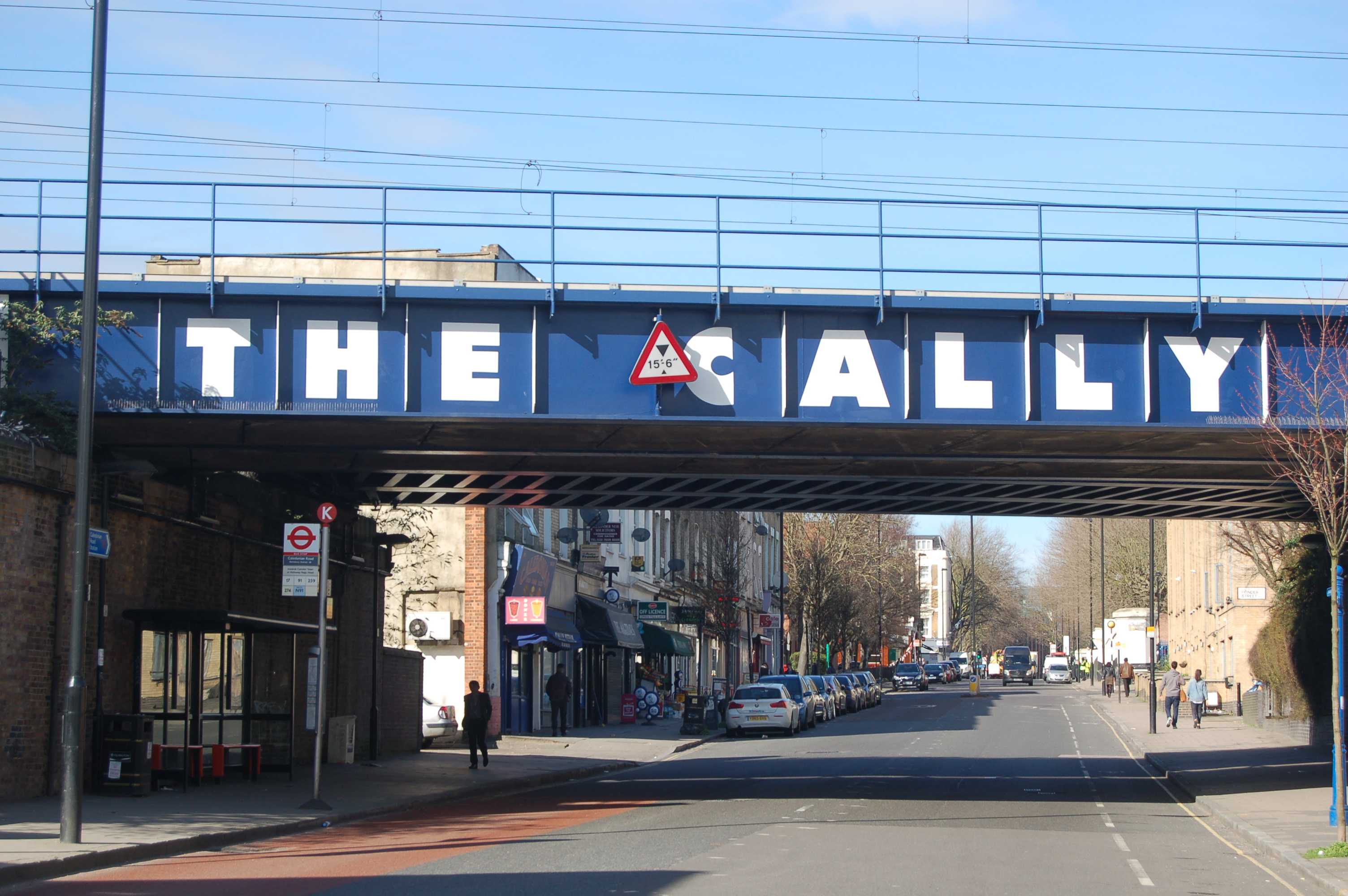
In an article for this week’s Islington Gazette, our Member of Parliament writes: “Earlier this month, I visited Caledonian Pharmacy for my winter flu vaccine. I was treated to a mental and physical health check, a lesson on the benefits of Vitamin D—and given a freshly baked Irish barm cake.
“For those of you who have had the pleasure of being served by James O’Brien at Sunflour Bakery, it will not surprise you that he caught wind of my visit and brought me a warm loaf.
“That everyday generosity is a classic Caledonian Road story.
“Many of you will know James O’Brien’s son, Paul, who is co-chair of Cally Traders alongside Neil, who runs Caledonian Pharmacy.
“The Cally Traders do a fantastic job representing the shopkeepers of Caledonian Road. They bring together Cally business leaders; promote local businesses with their ‘loCally’ loyalty card; and they run brilliant annual community events like the Cally Festival in Jul
“Only on the Cally are there Ethiopian hairdressers and organic shops, Chinese supermarkets and swanky bars and a restaurant representing just about every community in Islington. I tried to list all the cuisines represented on Cally Road – I gave up at about 10. Cally Road provides shops and services for everybody.
“Of course, the Cally has its challenges. Last year, I met with shopworkers at the Co-Op who shared with me the fear they faced at work every day due to the rise in organised shoplifting. We hear frequently about the terrible state of HMP Pentonville, and too many young lives have been lost or harmed by gangs in the area.
“But somehow, as King’s Cross has been redeveloped, as house prices have risen, as families have moved away from Central London, the Cally keeps going. And I truly believe that it always will.
“We owe that to our shopkeepers; community leaders; Councillors Hyde, O’Halloran and Convery; and to everyone who spends their money locally on the Cally Road. On the initiative of Islington Trades Union Council and our Cally councillors, the Tolpuddle Martyrs memorial on Copenhagen Street was recently restored.
“Depicting a march on Parliament which secured the release of trade unionists threatened with ‘transportation’, it was an important milestone in the trade union movement in Britain. That collective spirit that I see in the Cally community inspires me as your MP to fight for the rights of workers and small business owners alike, and as the new Labour government are doing nationally with our New Deal for Working People.
“So I encourage you all to go out, get your flu jab, and take advantage of the privilege we have of living near Cally Road.”
New trains for Piccadilly line require Caledonian Road station closure until 21st November
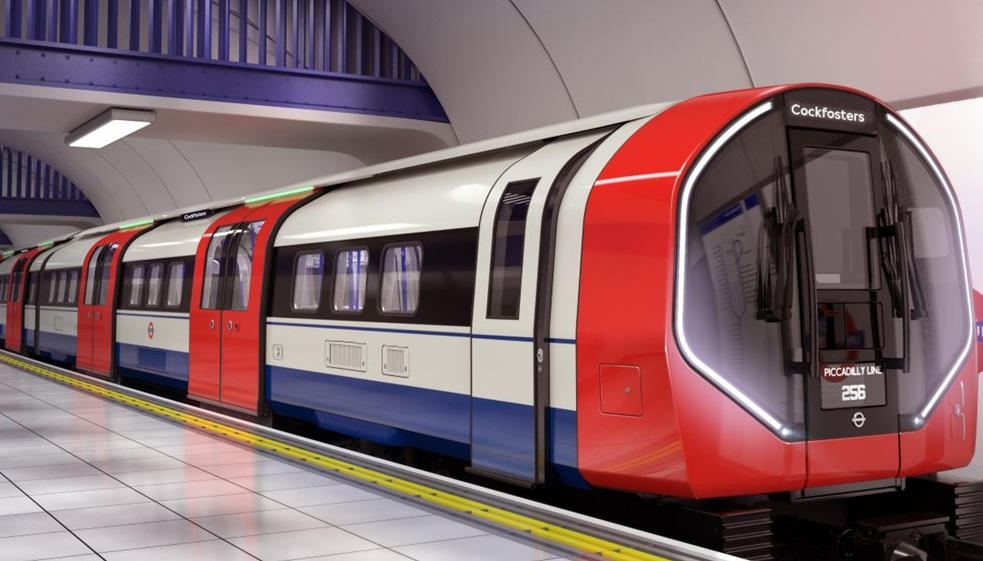
TfL is rebuilding the platforms at Caledonian Road tube station causing partial closure of the station. This is preparation for the next generation of trains introduced onto the Piccadilly line from next year. Platforms have to be modified because the new trains have lower floors.
Works are being staggered so that only one platform at a time is closed for this rebuilding. The northbound platform (towards Finsbury Park) is closed from 14th to 31st October; and the southbound platform towards Kings Cross is closed from 4th to 21st November.
The works at Caledonian Road underground station are part of a major upgrade to the Piccadilly line. TfL is investing £3billion in new trains and station upgrades. There will also be some closures on the line over the next few month, for details click here.
The new trains will replace rolling stock that dates back to the mid 1970s. Built by Siemens, the 94 new trains are designed with “walk-through” carriages and fitted with air conditioning (for the first time on a TfL “deep” tube line). The trains will have wider doors, greater headroom and will carry 10% more passengers. The new units use 20% less power but accelerate more rapidly and have higher top speeds. Alongside new signalling, this means journey times will also be reduced. To read more about the whole line upgrade, click here.
TfL has said the work schedule is “aligned to Arsenal Men’s & Women’s home fixture list” because Caledonian Road is one of the stations servicing the Emirates Stadium. However, the works inevtiably over-lap with at least one home game, Arsenal’s Premier League fixture against Liverpool on 27th October.
Previous station upgrade works at Caledonian Road have been quite controversial. In 2016 TfL proposed a full station closure for 8 months to replace both of the lifts. Islington Council objected firmly, TfL relented and the lifts were replaced one at a time.
Cllr Paul Convery comments: “Disruption to services from Caledonian Road underground station is an inconvenience, obviously. But it’s worth it. The Piccadilly line upgrade is another great investment in London’s transport infrastructure and is terrific news for our part of North London where Kings Cross, Caledonian Road and Holloway Road underground stations are vital stations for us.”
Stop the 20% wage cuts threatened by Islington Play Association

Caledonian councillors have backed the campaign opposing wages cuts for staff in 5 adventure playgrounds – two of which are in our ward. The staff have been told by Islington Play Association (IPA) they must take a 20 percent pay cut or lose their jobs.
IPA says it has budget shortfall of around £170,000 although their charity’s last annual accounts showed it had a cash reserve of £300,000. IPA is an independent charity and it is the employer of the adventure playground staff, not the Council. But it runs the playgrounds on behalf of Islington Council which overall provides almost £1 million a year in grants to IPA. Islington’s funding for the IPA adventure playgrounds increases with inflation annually. This year, it rose by 7.6%.
Play workers, parents and other residents have launched a petition. In just 4 days the petition garnered over 600 signatures. The campaigners say they aren’t simply protesting against wage cuts. The play service itself is at risk of collapse. They say the playgrounds offer “a safe place for our kids; they provide a platform for building social skills, physical development, and emotional growth.”
Islington funds 11 adventure playgrounds across the Borough. IPA runs five of them and another group “Awesome CIC” runs the other six. Awesome is a non-profit, community interest company which is also funded by the Council. Awesome gets less funding per playground than IPA but has not reported any financial difficulties. The IPA playgrounds are Crumbles Castle and Lumpy Hill in Caledonian ward, Toffee Park in Bunhill ward, Martin Luther King in Laycock ward and Timbuktu playground in Hillrise ward. IPA also has funding to run one of the Council’s children’s centre at Paradise Park.
Caledonian ward Councillors are highly critical of IPA’s conduct. Cllr Sara Hyde says: “Fire and re-hire is the worst kind of employment practice and one that we utterly condemn. Whenever a voluntary group faces financial difficulty it should not adopt such aggressive tactics. Far better to be fully transparent with its employees and negotiate a solution in good faith. And fire and rehire isn’t just a bad management practice, it’s a very risky type of brinkmanship. What if staff decline new contracts? The IPA adventure playground service is put at risk of closure.”
Cllr Una O’Halloran adds: “Over many years, Islington has trusted IPA to run some of our adventure playgrounds and a children’s centre. But there has been turnover amongst the management and trustee board. They should have come to the Council months ago when they spotted problems emerging. Money is tight for everyone including the Council and a simple bail-out may not completely fix the problem. Until the workers went public earlier this month about the trustees’ adversarial approach, the Council was not even aware of any financial difficulties.”
Cllr Paul Convery says: “Our adventure playgrounds are more than just great places for young people. They also symbolise the working class culture and history of this Borough. They grew out of slum clearance, family activism, volunteering and the eventual support from the GLC and Council. We cannot let them collapse.”
The Council’s Executive member for childrens’ services, Cllr Michelline Safi-Ngongo adds: “While IPA’s decision to reduce their staff salaries, to resolve their dire financial position, is very disappointing, I can recognise the very difficult economic conditions that all organisations are currently enduring. The cost-of-living crisis has affected not only the most vulnerable, but it has also affected charities. I know that IPA staff are dedicated to their jobs, and I hope that they will continue to provide an excellent service to our communities.”
Restoring the Tolpuddle Martyrs mural on Copenhagen Street
UPDATED, 2/10/24
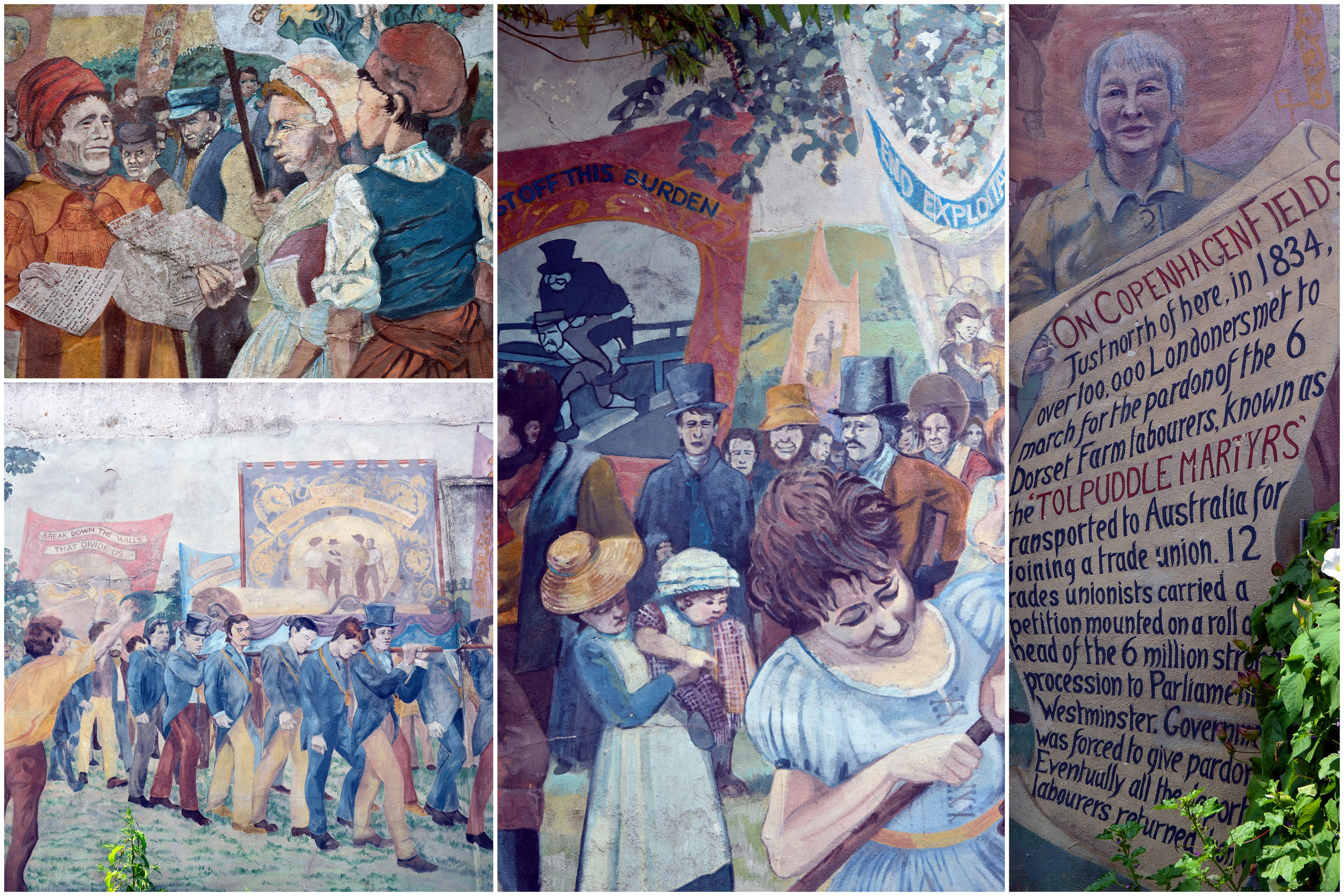
The renowned Tolpuddle Martyrs mural at the entrance to Edwards Square on Copenhagen Street has been repaired and renovated after several years of deterioration. The mural is painted on the gable wall of the former Mitre public house which closed in 2010 and was redeveloped as housing. The building’s owner has recently undertaken structural repairs to the building prior to selling. Following these latest works, the owner has voluntarily had the mural professionally repainted and restored.
The mural commemorates the huge gathering in 1834 which protested against the “transportation” to Australia of six agricultural workers who were arrested and convicted for forming a trade union. The demonstration was held on Copenhagen Fields, the area stretching north from present-day Kings Cross towards what is nowadays Caledonian Park which later housed the 19th century Metropolitan Cattle Market.
The vast crowd of protesters then marched to Kennington Common via the Houses of Parliament. Popular fury had been aroused by the Tolpuddle Martyrs’ cause and there were many further protests and petitions across the country. In the following year, the Government yielded, the men were pardoned and returned home. This was the birth of the (legal) trade union movement in Britain.
To mark the 150th anniversary of the Copenhagen Fields demonstration, the national TUC and Islington trade unionists commissioned the mural near the site of the demonstration. One of Britain’s top public mural artists, Dave Bangs, undertook the work. More about Dave Bangs – who had lived in our neighbourhood for 25 years – is here.
By the mid 1990s, the mural had been covered-over by an advertising hoarding erected by the Mitre pub’s owner, one of the big brewery chains of the time. The former Edwards Square had become derelict in the years following slum clearance in 1963 and a failed plan to build a secondary school on the site. Local campaigners, led by one of Cally’s finest activists, Lisa Pontecorvo, secured funding from the Kings Cross SRB project to create a new public park, today known as Edwards Square and to restore the Tolpuddle Martyrs mural. Very sadly, Lisa lost her life in a road accident in 2008 (an obituary is here) and the mural was enhanced with an additional panel to commemorate her.
The Mitre closed in 2010 and the building became residential. During the conversion works, a part of the mural was damaged and in recent years the artwork has become badly weathered and degraded. Recently it has attracted some graffiti so it is in need of a further restoration.
On the initiative of Islington trades union council and a group of Labour Councillors, the Heritage of London Trust agreed to part fund the mural’s restoration. Some of that money may now be used to further protect the renewed mural from future weathering, flaking, biological degradation and graffiti. The Council’s parks team will also remove plant growth and position barriers to discourage any further graffiti.
Cllr Paul Convery says: “As ward Councillors we treasure this heritage asset in our neighbourhood and were dismayed by its deterioration and damage over recent years. We were very grateful that the Islington trades union council pushed for its repair and restoration and were pleased to have the support of several colleagues notably councillors Mick Gilgunn, Gary Heather, Ruth Hayes and Tricia Clarke in this endeavour. We are Labour councillors and trade unionists so we are naturally proud of our labour movement history. And we also fondly remember the determination of our much missed comrade, Lisa Pontecorvo, who was so instrumental in saving the mural 25 years ago and securing its setting within the Edwards Square park. We are also going to thank the building’s owner for self-funding the restoration work, news of which came as a very pleasant surprise!“
Can the old York Way underground station get re-opened?

“Why doesn’t Islington get the old Piccadilly line station on York Way re-opened?” It’s a good question that we are often asked.
The surface building is in good condition and has been used over the years as storage base for fire equipment, furniture and other surplus tube kit. The platforms are still in place and the old lift shafts are structurally sound. The below ground infrastructure is maintained because the station still has a function in extreme circumstances: there’s a spiral stairway which can be used for emergency train evacuation
However, the station itself has been closed for 92 years! It closed due to lack of demand from the “sparsely populated, primarily industrial area that surrounded the station.” Of course that isn’t true any more. It’s located right alongside the huge Kings Cross Central redevelopment which houses several thousand new residents, scores of businesses and is marketed as a “visitor destination”.
Islington Council has held a long term ambition to re-open the station. This was first stated clearly in January 2005 when the Council responded to Camden’s Kings Cross redevelopment plans. Later that year, Islington Council and TfL commissioned a “pre-feasibility” business case study by a consultant engineering firm, Halcrow.
Halcrow concluded that a scheme to re-open would cost £21m (in 2005 prices). But this preceded the redevelopment of Kings Cross Central and so it concluded the station re-opening would not be economically justified because the number of potential passengers was estimated to be quite low. The 2005 study admitted there were “considerable uncertainties” about passenger number forecasts! If the assessment were done today, it might reach a very different conclusion. But rather ominously the report concluded that, if there were higher numbers, the station would need a complete rebuild and the cost could be very much higher.
Over the past decade, Cally Councillors have pushed TfL to review the 2005 assessment but TfL says the cost/benefit ratio is too low in a variety of different scenarios. Even worse, according to their experts, re-opening the station would not relieve congestion at Kings Cross. If it did, that would be a powerful argument. However, TfL would still be reluctant to increase journey times on the Piccadilly Line – even though the gap between Caledonian Road underground station and Kings Cross is unusually long. However, TfL doesn’t want to add extra time to the journey (caused by having an extra stop) with King’s Cross station so near.
So, is there an alternative the surface building could be used for? It’s not a listed building but it has considerable heritage value, being a classic Edwardian period, maroon tiled facade designed by Leslie Green. The tube station is right next door to a site which will soon house a landmark science and technology centre and this includes a big upgrade to the surrounding area. The developer, Delancey, has a long track record working with TfL on some of its surplus sites so there is a good opportunity a scheme can be designed to repurpose the old tube station.
Cllr Paul Convery comments: “We’ve been trying to re-open this old station for a very long time now. It seems quite unlikely TfL can be persuaded. So let’s bring the building back into a new use that reflects its location in an area of housing and employment growth. The tube station also offers a great opportunity for waste heat extraction. Islington and TfL collaborated on such a scheme to capture waste heat from the underground and use it as one of several heat sources in the Bunhill energy network. This takes heat from the Northern Line tunnels through a ventilation shaft on City Road. East of York Way is a high density residential neighbourhood which already has a communal heating system. Islington Council has plans to extent this energy network and connect-up several other housing estates. Excess heat from the Piccadilly Line could be a big low carbon contribution to that heat network.”
Councillors have also begun to push for a new station for the Overground on York Way where the North London Line crosses York Way. And Camden Council agrees! There’s been a big increase in new homes on the Maiden Lane estate and rapid employment growth and intensification in the industrial sites around Tileyard, Brewery, Blundell Roads and Vale Royal.
Pentonville is one of Britain’s “most dangerous prisons” … and it’s right inside our neighbourhood
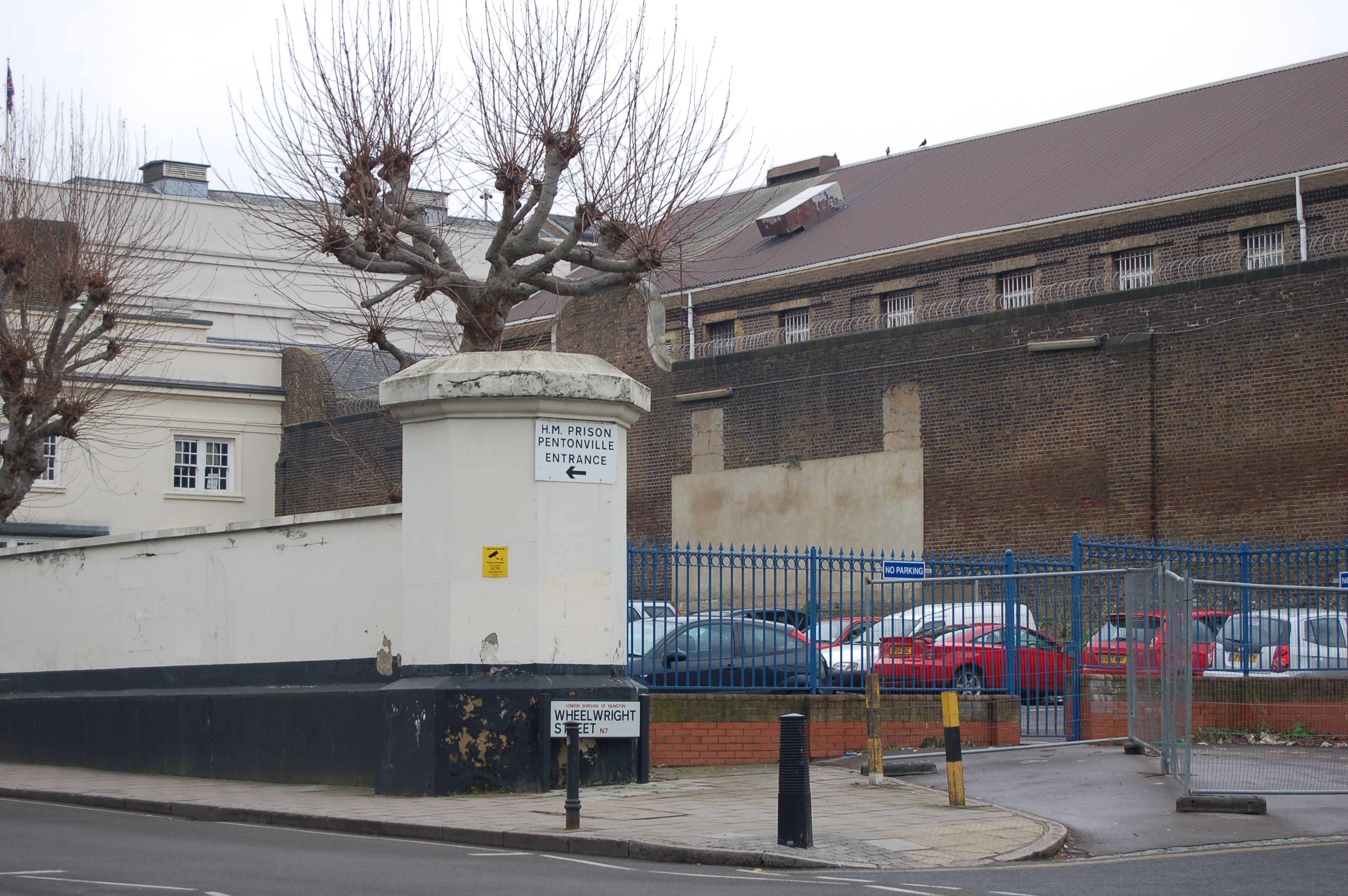
Councillors representing the Cally have renewed their calls for Pentonville Prison to be closed and its capacity to be re-provided.
Millions of BBC news viewers will have been shocked by the latest revelations of appalling conditions in Pentonville Prison. Correspondent Sima Kotecha revealed the “violence, overcrowding and self-harm … inside one of Britain’s most dangerous prisons.” When built 180 years ago, Pentonville prison stood on the outskirts of London mainly surrounded by agriculture and brickworks. Today, it’s in the heart of our high density community. What happens in the prison has a profound impact on our community.
However, the worrying state of the prison isn’t new. The prison has been condemned repeatedly in inspection reports going back over 20 years. In 2002 the Chief Inspector of Prisons commented on Pentonville that “it is not acceptable to hold prisoners in conditions which fall so far short of standards of decency and activity.”
In the past decade there has been little improvement reported. In 2015 an Inspector said the prison “had bloodstained walls, piles of rubbish and food waste, increasing levels of violence, and widespread drug-taking.” In October 2016 there was a horrifying murder of prisoner, Jamal Mahmoud, which prompted local MP, Emily Thornberry, to call for a duty-of-care investigation and for closure of the prison. Where a prison authority fails in its duty of care, an offence of corporate manslaughter may arise under section 1 of the Corporate Manslaughter and Corporate Homicide Act 2007. In the 3 weeks following that murder a further 6 stabbing incidents occurred.
A Full Inspection in 2019 condemned the prison with findings declaring “no exception to this sorry history”. During the pandemic, Pentonville was spotlighted as one of the worst regimes in the country with conditions under lockdown being described as “inhumane”. In 2021, an Inspectorate of Prisons report said that prisoners had been held in isolation for many weeks and most prisoners were locked in cells for up to 23 hours a day. The report declared that “Self-harm had increased in the months since the restricted regime had started and there had been four self-inflicted deaths since our last full inspection. Over half the prisoners in our survey said they had mental health problems and waits for primary mental health support had increased.”
Another inspection report in 2022 identified high suicide rates, illicit drug use, poor inmate opportunities and described “profound”, “chronic” and “entrenched” problems at work in the prison. It said that, only “fragile progress” had been made, with the prison “still not good enough” in all key areas of safety, respect, purposeful activity, rehabilitation and release planning. The report found some improvements to inmate safety had been made since the previous inspection. But seven inmates had died by suicide since the previous inspection in 2019.
As recently as September 2023, the prison was described as a “vermin infested hell” after the independent monitoring board (IMB) stated it was “unfit for purpose”. HM Chief Inspector of Prisons Charlie Taylor told the Guardian newspaper it should be closed. Since 2009 there have been 4 prisoner escapes. Following the last escape, Emily Thornberry MP reiterated the call for the prison’s closure.
For much of the prison’s early history, it had limited impact on the area in which it was located. However, in the past decade its presence has been more strongly felt in the neighbourhood. Drones have been used to fly-in drugs, weapons and ‘phones; gang-related affiliations of those held on remand have played-out on nearby streets; and local people have felt under threat when reporting incidents occurring inside and outside the perimeter walls.
In 2015, former Justice Secretary, Michael Gove, described Pentonville as “the most dramatic example of failure” within the prisons estate and said the prison would be replaced in a “new-for-old” programme. But instead, Gove decided to close Holloway women’s prison. This was a surprise. Compared with Pentonville, Holloway prison was relatively modern and suffered few problems. Eventually, in 2019, the Tory Government announced it was “not the stated policy of government” to close any Victorian prisons.
As local Councillors we have found a few ways to engage with the Prison Service. But our influence is limited. We recently provided some financial support for the “Liberty Choir” to take community volunteers into Pentonville prisons to sing with prisoners to improve their self-confidence, esteem and wellbeing.
Caledonian ward councillor Sara Hyde is a nationally recognised prison reform campaigner. She says: “New prison accommodation is badly needed but a replacement for Pentonville has to be located at a site accessible to prisoners’ families and near to services for rehabilitation and support. The shocking conditions within Pentonville underline the prison crisis that the new Labour Government has inherited. Years of under-investment right across the criminal justice system means Britain is housing much of its prison population in inhumane conditions. Over the past decade, sentences have become longer and many prisoners are being held beyond the time decided by courts. Increasingly there is a prison population that has acute drug dependency and adverse mental health conditions. Many experience serious violence due to real or perceived gang affiliations. These people need safety, treatment and rehabilitation.“
The prison is located in Laycock ward represented by Councillor Heather Staff who says: “Solving the prison crisis isn’t just about decrepit buildings and prisoners’ living conditions. The judicial system needs to be more humane and genuinely aiming to rehabilitate prisoners and reduce the risks of re-offending. The crisis isn’t just about prison capacity either, there are catastrophically long waits for court hearings which exacerbate the accommodation shortage because so many prisoners are held on remand for longer. On release, prisoners get very limited support not least because of the Tories’ crazy privatisation of the probation service. I recently encountered a man who had just been sitting outside the shops on Roman Way not knowing where to go or what to do. He had only the clothes he was wearing, no money and no place to stay. I got the Council’s outreach and housing teams to step-in and an otherwise destitute and homeless ex-prisoner was given help.”
Have a merry Cally Christmas … in September!
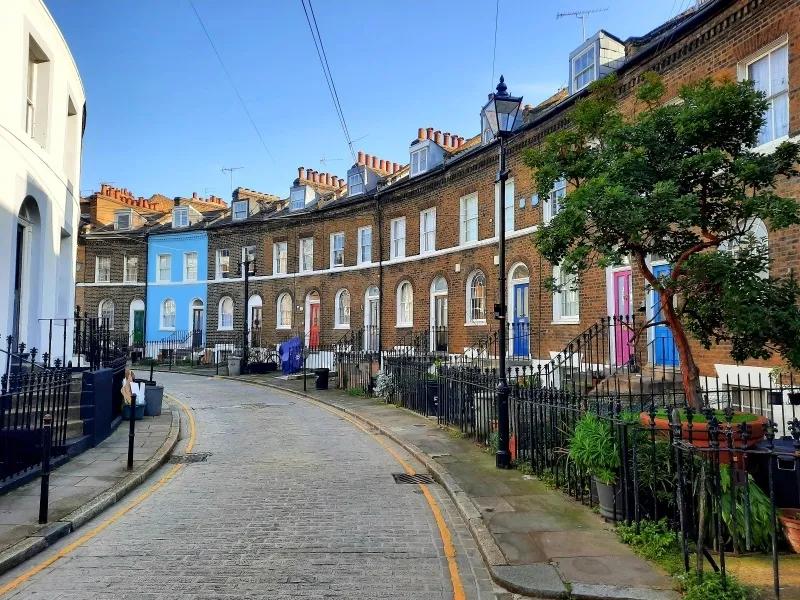
Christmas comes early to a treasured south Cally street on Friday 6th September. Picturesque Keystone Crescent will be turned into a snow-filled scene in a TV advert for “a well known UK retailer”.
Production company, Merman, will close the street for two days, place a cellulose “snow” membrane over the entire street. The action is a simple scene showing an actress walking along the street greeting neighbours filmed from a camera crane. Residents will be financially compensated and the production company additionally has made a donation to Voluntary Action Islington. The producers have asssured residents and the Council that the “snow” is non-toxic, has no chemicals and is PH neutral.
Keystone Crescent has unsurprisingly been chosen because of its very traditional appearance. The Grade 2 listed terrace, completed in 1846, was built by Robert James Stuckey along with over 100 other nearby properties. Stuckey’s descendants still own some of those properties adminstered in a family trust. The Crescent is described as a “hidden gem” and the “smallest crescent in Europe” by London Living History.
Music videos, adverts and fashion shoots are increasingly regular in and around the Cally, not least because Islington Council’s Film Office actively markets the Borough to location-finding companies that scout places suitable for external and internal scenes. The Cally high street featured in scenes shot for “The Crown” whilst Thornhill Square has been in episodes of “Poirot”. Road closures, parking suspensions and other facility fees go directly to the Council and, over recent years, this type of income has helped the Council boost income and balance the municipal budget.
Cllr Paul Convery says “Islington welcomes and encourages film and TV in the Borough and we’re especially pleased to bring shoots to the Cally. The Council’s Film Office makes sure that the community benefits from productions and we have an apprenticeship ‘pipeline’ for local young people to get experience and a foothold in the industry. Our neighbourhood has many visually interesting locations but we’re also mindful not to get pigeonholed into ‘gritty’ scenes filmed to the west of Cally versus ‘leafy’ streets and squares on the east side.”


More than 200 local residents enjoyed last Saturday’s Summer Community Party organised at Jean Stokes community centre by Help on Your Doorstep.
Based at Jean Stokes, HOYD is one of Cally’s most trusted community organisations working to improve the health and wellbeing of people in the neighbourhood. It has a partnership with the Council to work with people who may need early support and connect them to services. It’s a model of “early intervention” that the Council strongly backs – helping to identify and solve individuals’ challenges to avoid problems escalating. HOYD offers activities and services in and around Bemerton: a gardening club, dance for kids, zumba sessions, ‘gentle’ exercise classes, a monthly lunch club, and a very popular weekly coffee morning.
HOYD’s Summer Community Party featured a bouncy castle, facepainting, glitter tatoos, football and boxing for the kids outside on Perth Green. Inside Jean Stokes, there were arts and crafts, massage, henna tattoos and nail techs for adults. There was a fabulous range of free food and refreshments.
The ward Councillors were available in a “speak to your Councillors” session too.
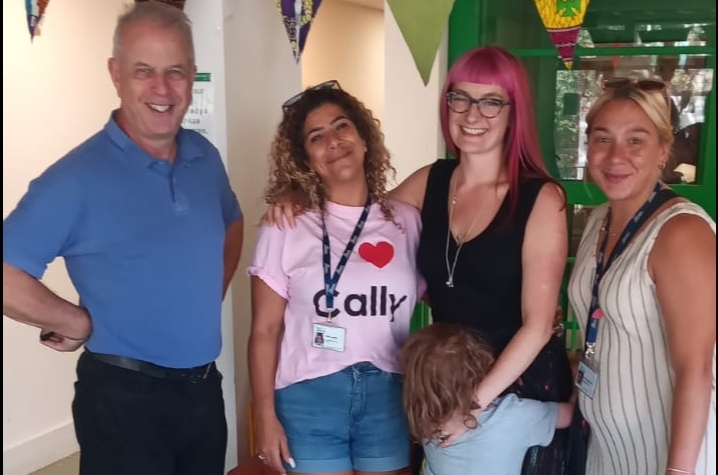
Partner organisations present included: Cally Connects Us, Barnsbury Parish, West Library, Cook For Good, Healthy Generations, Age UK (Islington) and Stuart Low Trust.
Cllr Sara Hyde said: “Congratulations to HOYD and partners for an absolutely brilliant day. I can’t really put into words how incredible it was to see everyone enjoying themselves – the joy was contagious. Thank you for your essential work with Cally residents.”
Another massive Thames Water main burst causes severe flooding
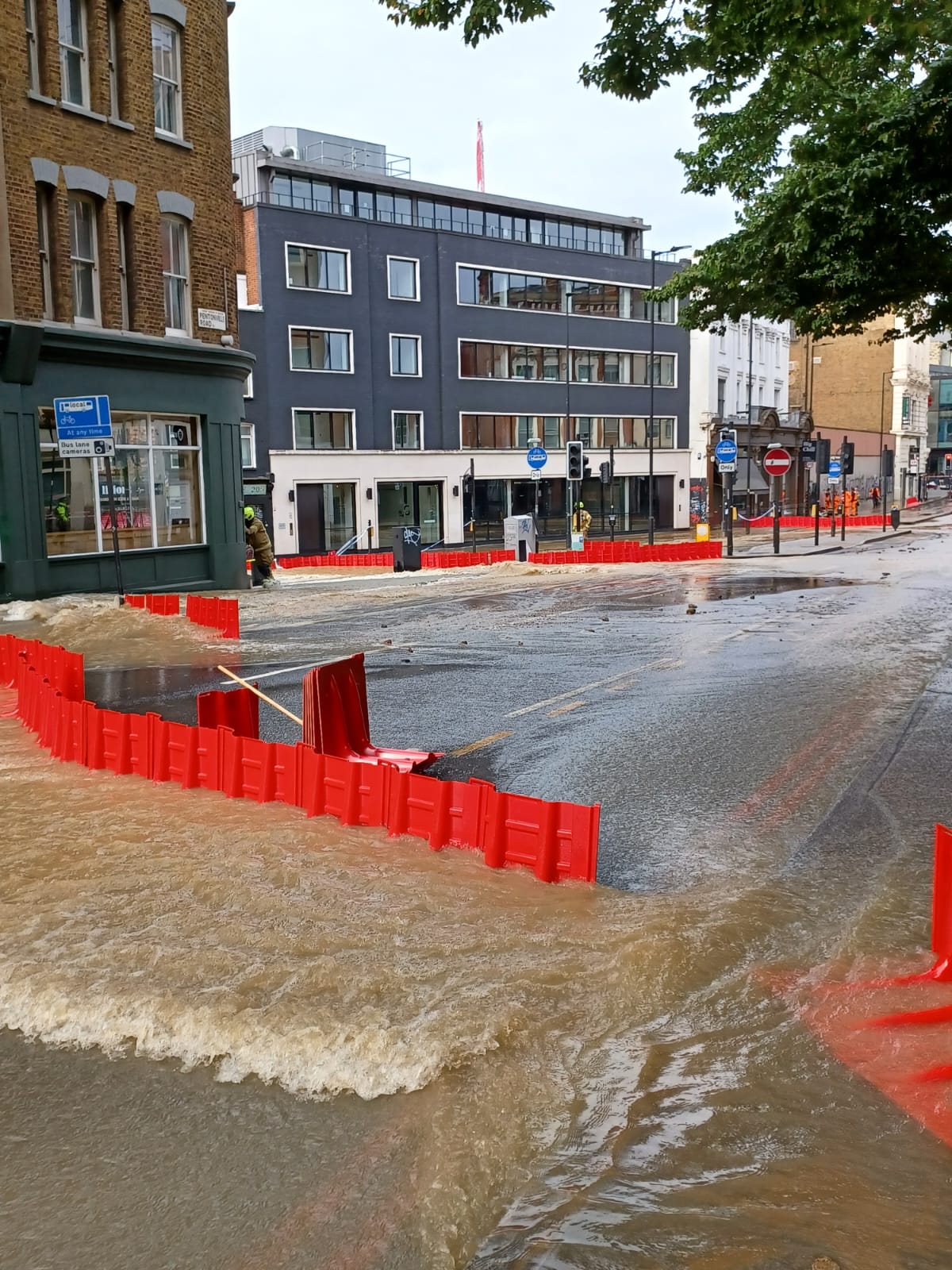
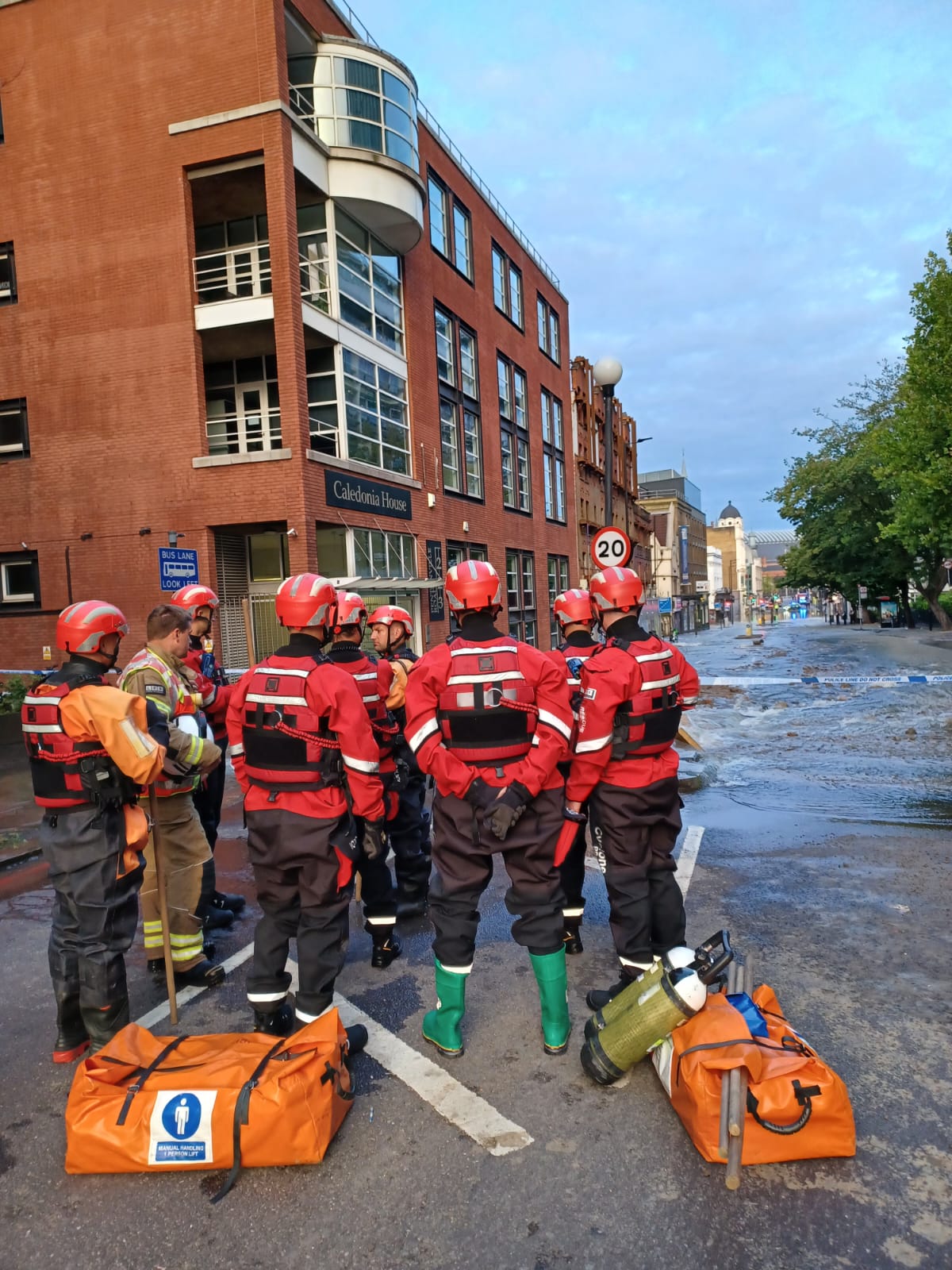
A Thames Water mains pipe burst has caused severe flooding, emergency evacuation and traffic chaos around south Cally, Barnsbury and the Angel. Pictures above show the volume of water caused by the 16-inch diameter pipe which ruptured at around 4am on 18th August. Flooding affected a 250 square metre area between Penton Rise and King’s Cross Road and affected the basements of multiple residential and commercial properties. For most of the day, Pentonville Road and Kings Cross Rd were closed to traffic requiring 11 bus routes to be diverted.
This large scale burst follows another nearby flooding on Kings Cross Road on 15th November last year.
The London Fire Brigade mobilised 8 appliances and around 60 firefighters from Euston, Islington, Soho and other fire stations. The LFB response included a specialist water rescue team to help evacuate about 20 affected residents. The Brigade deployed mobile flood barriers and drone technology to manage the incident. Staff from Islington Council’s emergency response team also attended the scene. A large scale clear-up operation is now underway.
Barnsbury Councillor Praful Nargand commented: “The Barnsbury and Cally area is regularly affected by these flooding incidents which don’t just cause disruption but they represent a real threat to life for people living in basement properties – especially when they occur during the hours of darkness. It isn’t acceptable for Thames Water to just say these are old Victorian pipes and such failures are inevitable. These are empty apologies from an organisation that under-invested, dumped sewage and now wants to hike your bills.
“Over the past 35 years the management of privatised Thames Water has known that its infrastructure was ancient and fragile. There has been decades of under-investment and, with Thames Water likely to go bust next year, its latest investment plans look uncertain. Over those decades, the owners of Thames Water have extracted billions in dividends and loaded the company down with debt from leveraged buyouts. It’s time for bolder action.”
LFB incident report is here.
Shreya Nanda becomes Islington’s newest Councillor after a by-election victory in Hillrise Ward

Voters in Hillrise ward in north Islington, elected Shreya Nanda as their new Councillor at a by-election on Thursday 15th August. The by-election saw a 4-way contest between Labour, Green, Liberal Democrat and an independent. Standing for Labour, Shreya secured almost twice the votes of the nearest candidate.
In her acceptance speech Shreya praised “the huge difference that a Labour council can make, from fixing our broken housing market, to working with community police to make our spaces safe, to investing in community centres, and supporting the most vulnerable people in our community.
“I’ve spoken to hundreds of people in Hillrise over the course of this election, who have taken the time to tell me about the problems that they face, from crime and antisocial problems in the area, to cramped and overcrowded housing. As your local councillor, I promise I will do everything I can to be an active presence in the community and work with my fellow Labour councillors to tackle these issues.”
Unexpectedly, the Lib Dem candidate pushed the Greens into 4th place. However, in the absence of a Conservative candidate, the Lib Dems may have picked-up some Tory votes. Hillrise ward had also been represented by Lib Dems between 2000 to 2014. By contrast, the Green party considers itself to be the main challenger to Labour in Islington North but fell short in Hillrise.
| Labour | 968 | 43% |
| Indy/Corbyn | 539 | 24% |
| Lib Dem | 350 | 16% |
| Greens | 322 | 14% |
| Parr-Reid | 54 | 2% |
Cally Councillor, Paul Convery said “we’re delighted that Shreya has been elected very convincingly in a by-election that was unusually held in mid-August. The contest had become quite tightly focused on the qualities and personalities of the candidates and Shreya personally convinced the hundreds of Hillrise voters that she spoke to. She is going to make her mark on the Council very quickly, especially on the planning committee where Shreya will be strongly backing our goal to have delivered over 3,000 genuinely affordable homes in the next 2 years.”
The Islington Council by-election official result can be read here.
 Labour Councillors representing the Cally neighbourhood in Islington